

Elsanor resellers
We do not sell our birds directly.
Are you a private individual? Get in touch with one of our Elsanor resellers, shown on the map below.
Click on the red or grey dots: the reseller's contact details will appear.
We work with many professionals. Only partners with an exclusive (red) or majority (grey) commitment to our range appear on the map.
Inert range
We offer breeders' associations, resellers and hobby breeders… a range of inert products.
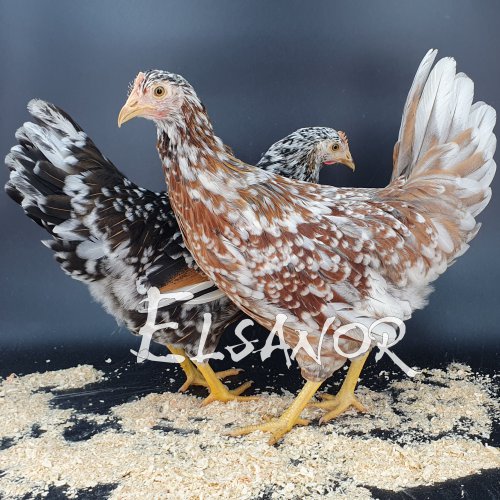
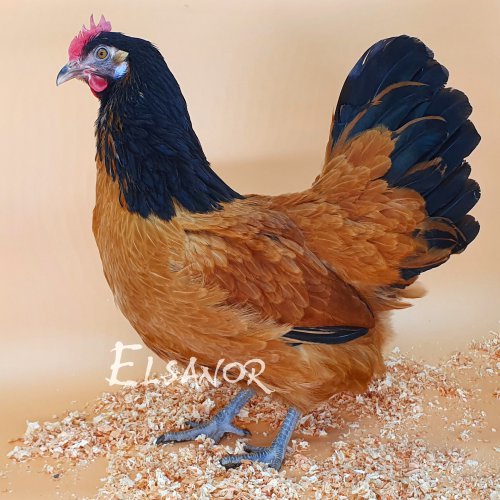
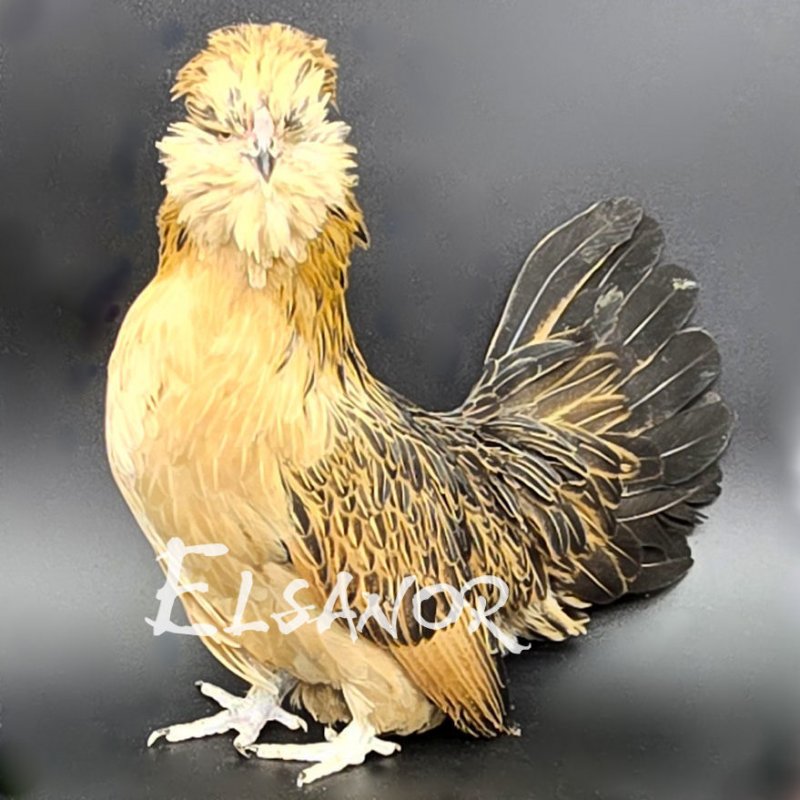
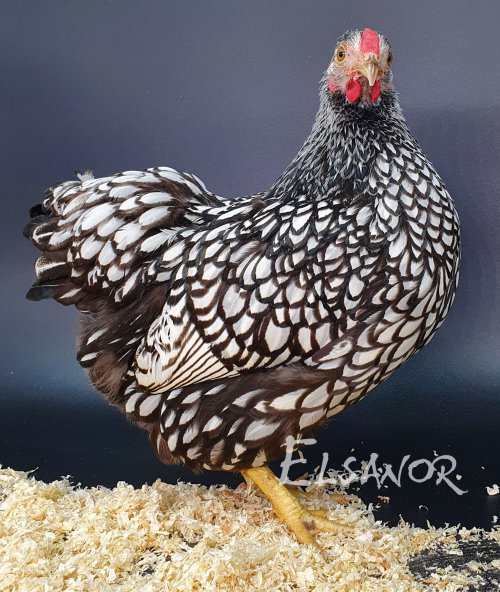
Breeds
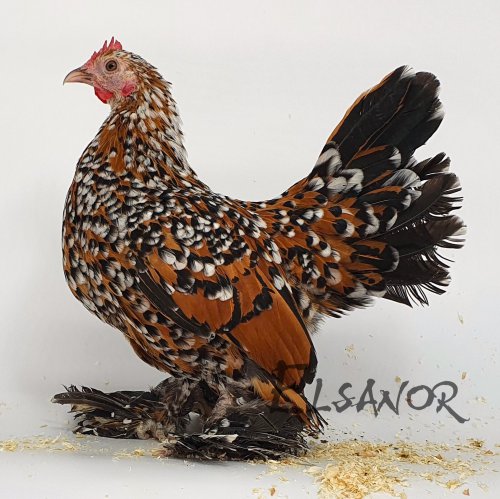
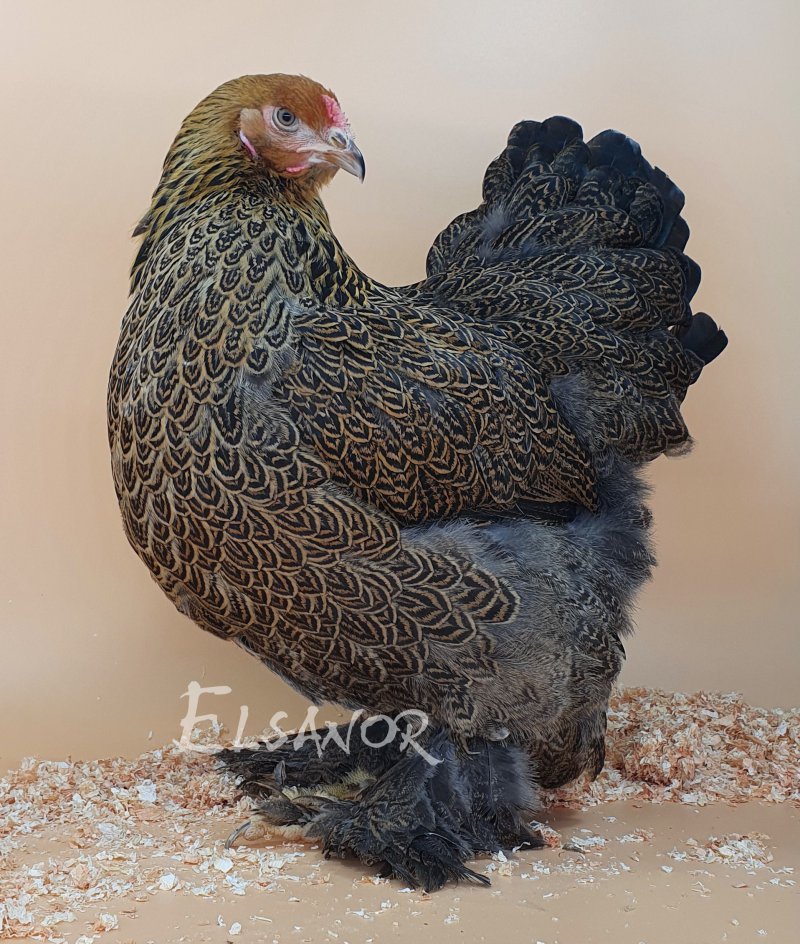
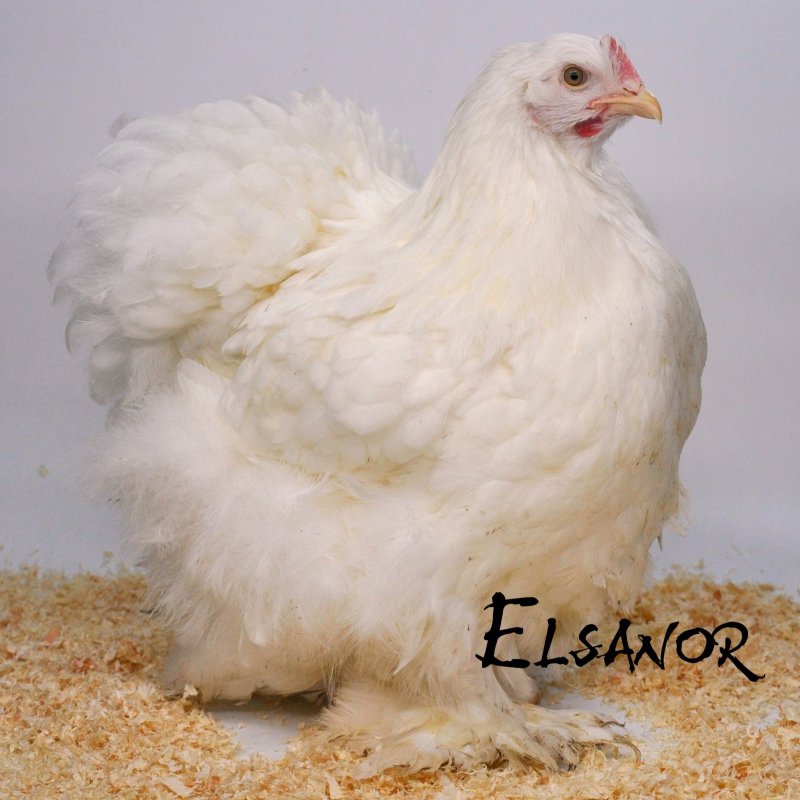
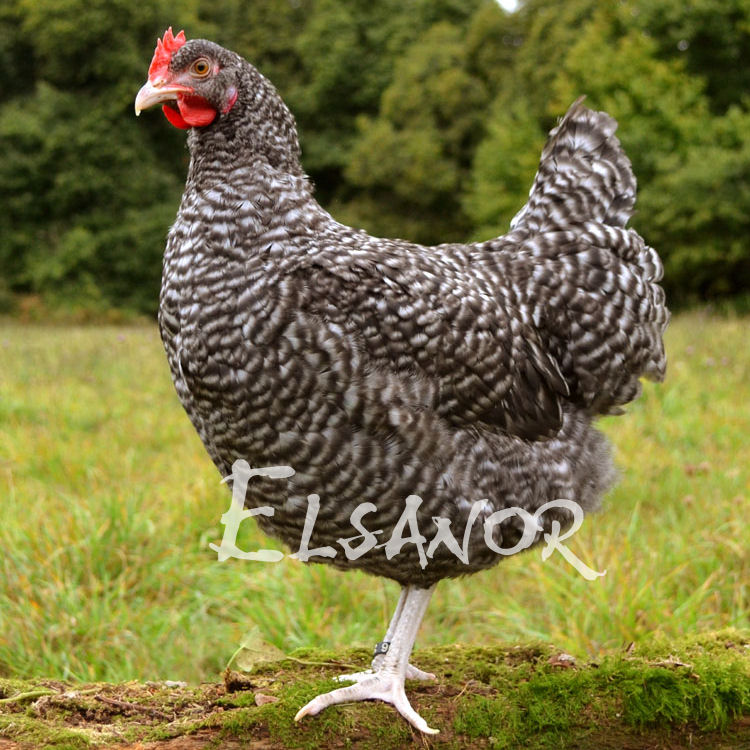
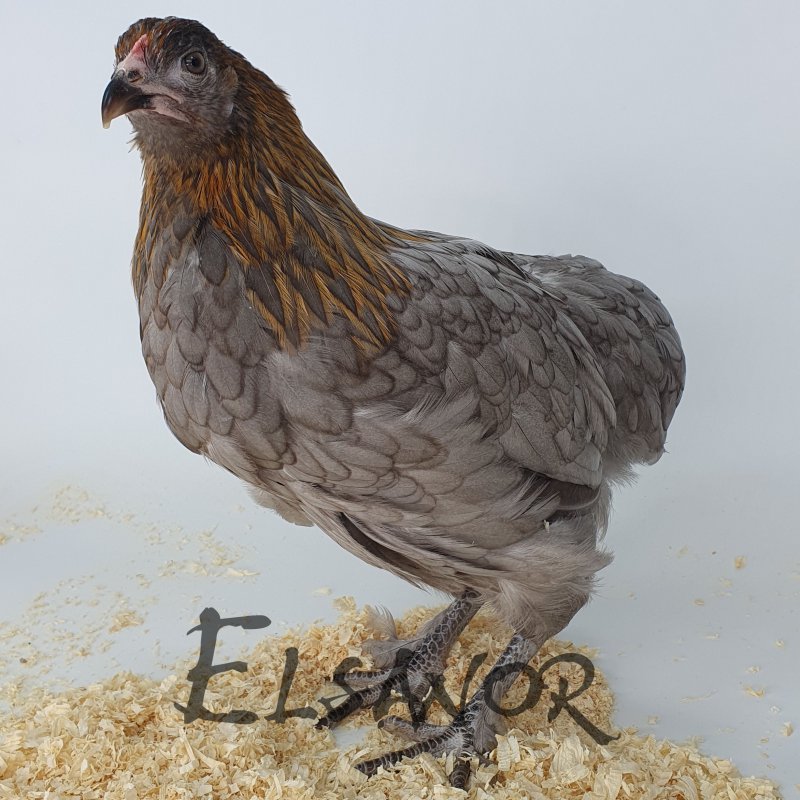
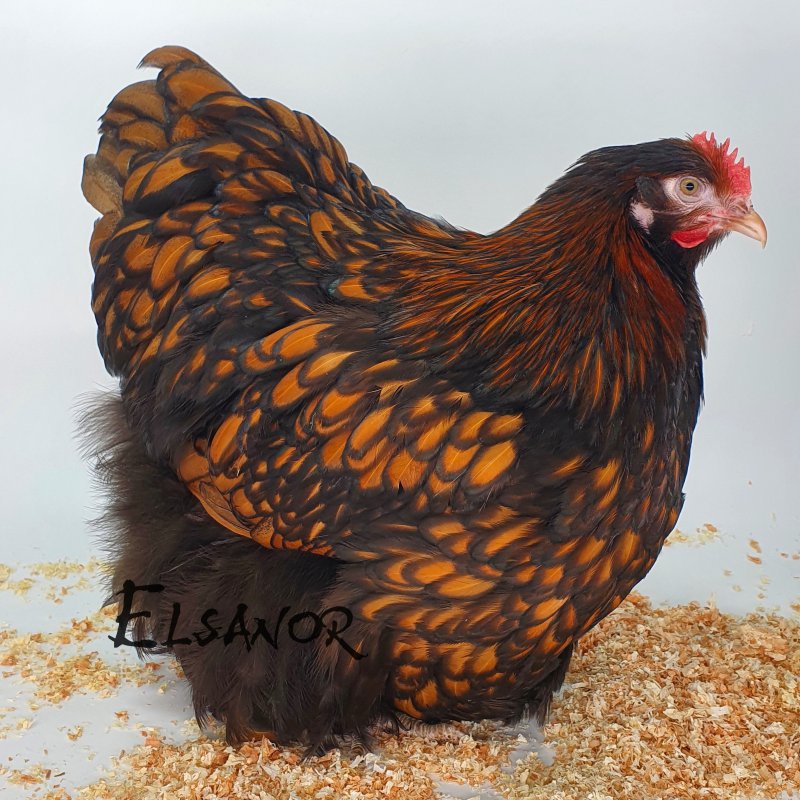
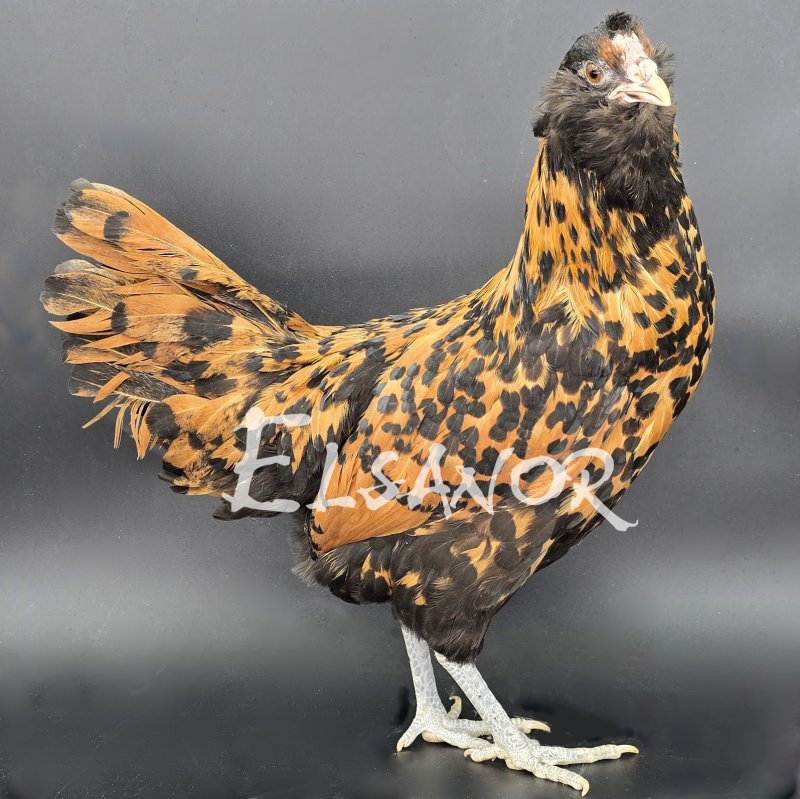
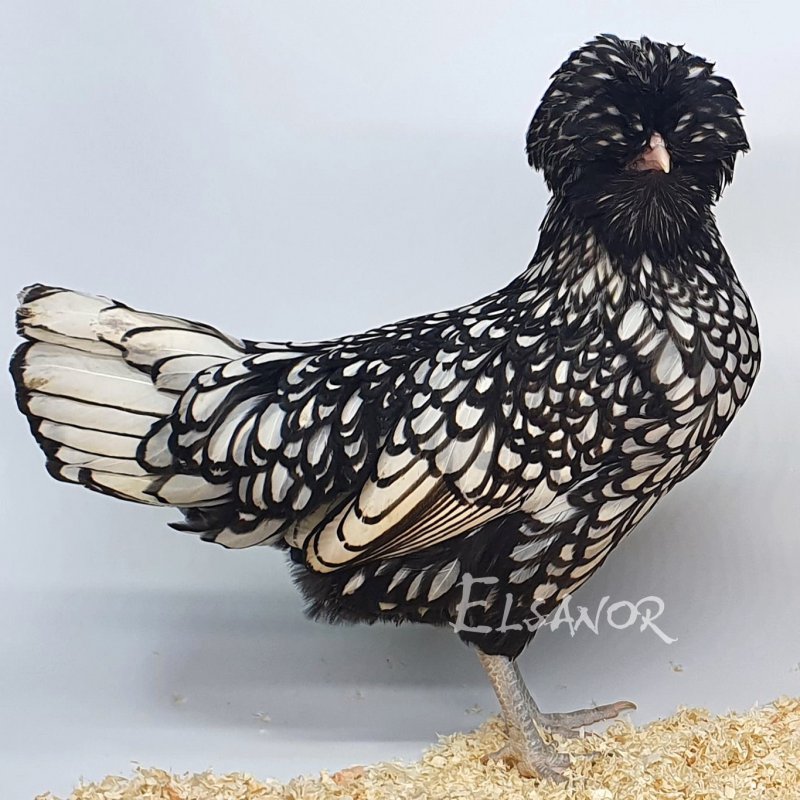
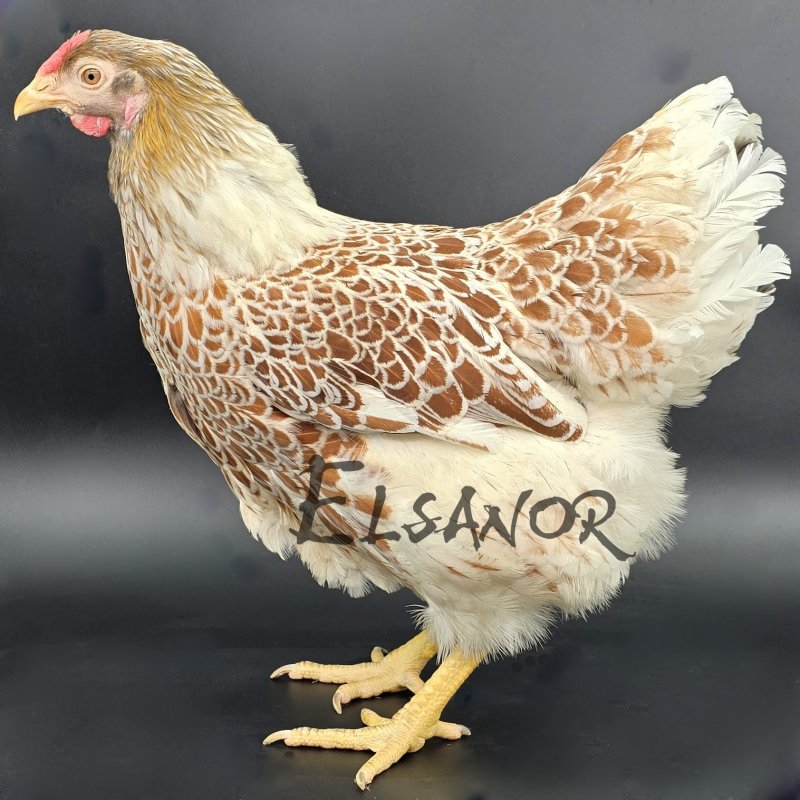
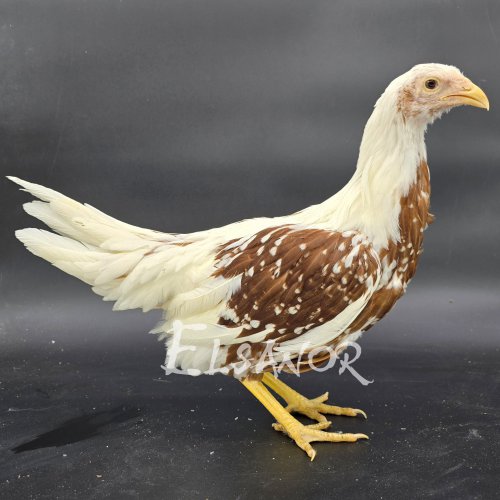
Elsanor history
Elsanor — history and growth of the farm
Elsanor was founded in 2002 by Cyril Névot, then 19 years old and still a student. From the very start, the goal — which remains the farm's guiding thread — was set: a high-end, breeding-selection farm. Within a few years, many French Champion titles were won.
Having completed his studies with specific training in poultry farming, the farm was moved to Surzur (Morbihan, Brittany) and became the owner's main activity.
Owing to the political decisions linked to avian influenza, these two years were a difficult hurdle to clear.
Following the Paris International Agricultural Show, where the farm was present for the first time, the business began to grow gently: production was then sold almost entirely to private customers, through the farm's website.
At the 2011 Paris Show, the doors to professional markets (pet shops, garden centres) opened. The business found its feet in 2012, with the training of salespeople for certain chains. Marketing became clearer: sexed young birds of at least 12 weeks and sexed purebred laying-hen chicks in spring.
2013 was a pivotal year: production doubled compared with 2012 and, above all, the start of a development policy that propelled the farm to Europe's leading producer of purebred laying hens, with health management unique to large operations (mycoplasma and salmonella monitoring…) and dedicated sites: breeding, incubation, rearing, marketing. That year, only a small depot was accessible to customers; 95% of production was delivered by carrier.
Each year brings greater growth, and 2014 is a perfect example: the opening of our first shop (Theix, Morbihan), the marketing of brown and white laying hens as chicks and young pullets, and continued investment in our production facilities — which allowed us to double production once again. Our show results remain a goal, with 2 additional French Champion titles in the 2013 season.
The only downside: demand keeps growing faster than production. By the end of January 2014, a month before the season began, our entire production was already reserved. Above all, this year made us realise that some areas needed reorganising before we could continue to grow.
An essential year: new offices, expansion of the hatchery, rooms dedicated to dispatch and order preparation, the design of a box specific to transporting our animals, and a fleet of refrigerated trucks to deliver to some of our professional customers from Surzur. A depot was set up in the south of France, allowing delivery to professionals in the south and export to Italy and Spain.
So that all this could be put in place soundly, the production level did not change from the previous year.
The production level rose by 50%, in rearing and marketing conditions that rewarded more than 10 years of work and self-questioning. Always improvements: a new website, new hen breeds, diversification of the species produced (rabbit, guinea pig…), the start of exports to Spain, and the setting-up of a network of Elsanor resellers — retail businesses (pet shops, garden centres, poultry dealers…) sourcing their purebred laying hens exclusively from Elsanor.
The shop closed and sales to private customers stopped, in order to focus fully on the farm and offer our animals through resellers in France and neighbouring countries.
Complete modernisation and restructuring of the farm.
Creation of the company Elsanor Logistique, which separates the transport business from the farm.
Creation of the Elsanor Web Services business, with the start of development of the web platform for breeding-selection farmers (first release planned for 2025).
The very strong seasonality of our type of production calls for technical skill and well-suited facilities: this is our strength. Brittany is a poultry-farming hub that puts production facilities, feed suppliers, vets and poultry-related skills (chick sexers, vaccinators…) within easy reach; with a suitable climate and enormous passion, we bring together every element for our specific production and a real capacity to grow.
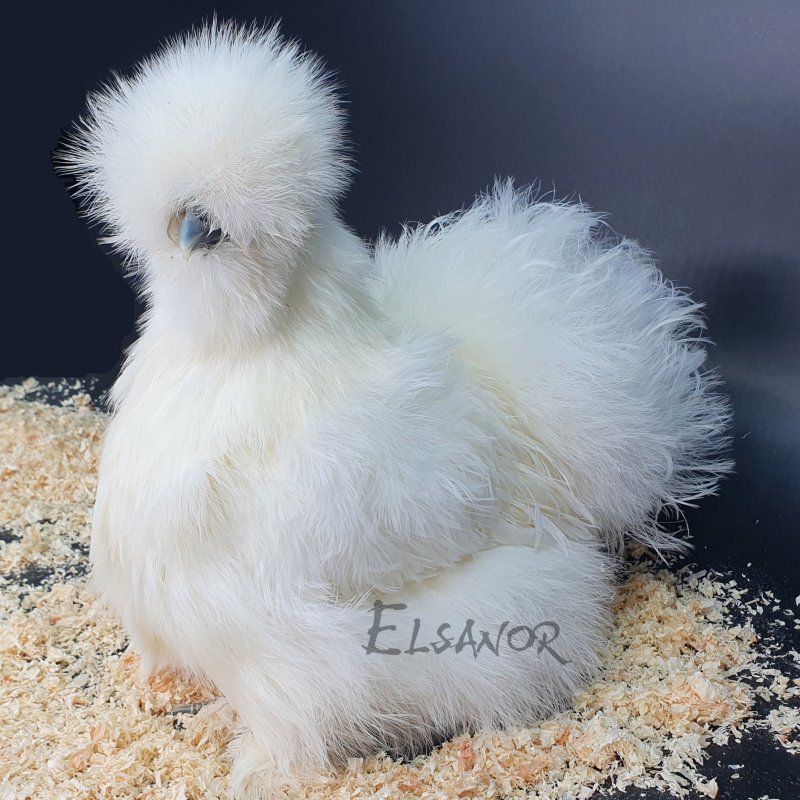
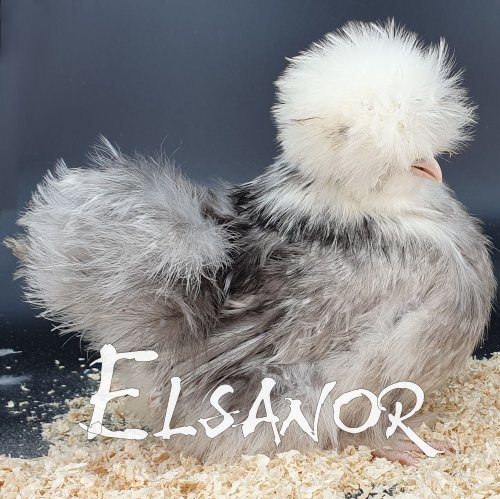
For several years, we specialised in one breed under selection: the Silkie, our favourite. Its reproduction was not the simplest; it took us several years to master it well and, above all, to select our strains for a laying/fertility yield suited to our selection goal (essential for any breeder) and to the cost of production.
For the past few years, our range has been expanding while keeping a focus on quality. We have no supplier for our strains: each year, we select our breeders from among our young birds for the next breeding season. The only exception is a "quarantine" facility that allows us to acquire breeds or varieties we do not have and, after analysis, bring the first generation into our standard production (imported birds never enter our production facilities).
The market for purebred laying hens had never taken off before 2007, for lack of producers and visibility. Within a few years, it went from insignificant to model growth, with a sharply rising number of professional breeders. While the French market is based on price — with no distinction between farms with show titles and the rest — the European market places more importance on quality: which is what motivated us to develop our export marketing strategy.
Adaptability and the high-end approach are the key notions for following and guiding a market that is emerging from the shadows to take centre stage. Our company has been able to embrace and shape this growth.
Competitions
Above all, Elsanor is a breeding-selection farm: we work to improve our strains and create new colours, and we take part in championships to make our work known and confirm the quality of our strains.
Elsanor quality
The notion of quality: a key element of our farm!
The quality of a bird rests on two notions: sanitary quality and standard-related quality — two elements that are difficult to master in purebred fowl.
The first essential point in guaranteeing quality purebred laying hens: identifying and mastering the links that ultimately make it possible to offer a bird for sale — selection, hatching, rearing, marketing, transport… — by mastering the health-related rearing techniques, having the facilities needed to manage everything, not to mention the knowledge of breed standards and the ability to source the birds needed to get started.
Raising purebred laying hens looks very simple — and, to some opportunists, very lucrative on paper; the reality is quite different. A good farm is the result of a multitude of constraints, experience and solid knowledge.
Good health management makes it possible to improve breeding performance, to reduce the cost of veterinary products and losses, and ensures that the animals are healthy when they arrive at their future owner's home.
We use no antibiotics as a preventive measure, nor any medicated feed: our animals drink clean water; only vaccines, dewormers and vitamins are used on the farm. For breeding, we simply add a vitamin supplement to the drinking water.
We do, however, set the bar very high on biosecurity :
And we regularly check for mycoplasma (blood test) and salmonella (boot-swab sampling), to ensure there are no undesirable germs.
It is often said that birds from this kind of farm are fragile, do not lay… These methods are demanding and easier to criticise than to apply! Yet the concept is simple: by providing the best possible rearing conditions, we limit the energy that would have gone into fighting off one germ or another, and channel it into growth and reproduction. We do not push our animals: we give them the best possible conditions.
The results are undeniable — laying, fertility, hatching, rearing — and allow us to offer healthy birds in great shape, without any antibiotics. The very rare problems our customers encounter almost always come down to the same case: introducing our birds into a farm with very high health pressure, for which they are not prepared.
To set up healthy production, there is only one solution: "cleaning up" a strain. It would be simpler to buy a healthy strain, but — to be honest — that does not exist today for our ornamental-type purebred fowl.
So we set up a pre-quarantine allowing tests to be carried out on the purchased birds (blood tests…); if the test is conclusive, we move them into quarantine. There, the birds receive a specific treatment guaranteeing that certain germs are not transmitted through the egg (vertical transmission), and the eggs laid undergo thorough disinfection. The chicks from quarantine are then integrated into our breeding batches, no longer posing any health risk. This methodology is costly and requires facilities and skills, but it allows us to bring in new bloodlines on a regular basis.
With these principles, we offer birds of excellent sanitary quality, able to join a garden and respond perfectly to a treatment, since they have never received antibiotics.
While sanitary quality stems from overall management, standard-related quality is worked on case by case — or at least breed by breed, even variety by variety. It requires knowing the standards of the breeds and varieties, a minimum of genetics and, above all, experience.
The basic challenge is always the same: finding the bloodlines! While some breeds are easy to find, good bloodlines are not necessarily any easier to come by than for rarer breeds. Contacts, experience, a good dose of patience and the willingness to drive many miles are what make it possible.
Once the birds have been acquired, you have to be able to select in order to improve — or at least maintain — the quality of the strains; too many poorly selected bloodlines have lost all their value within three generations.
Selection is the ability to choose the breeders that will produce the best chicks, then to spot within that generation the birds that will improve the next one. Sanitary quality and rearing techniques are key to obtaining the maximum number of chicks, and therefore the widest choice for the final selection. Selection is an end in itself: the best judge, if not effective in production, will be very limited in their ability to improve their strains.
It is difficult to be competent in the knowledge — and therefore the selection — of several breeds at once. We currently have around fifteen breeds, which limits our capacity for effective selection of each one. You have to accept that some breeds reach excellent standard quality, while others will simply remain good bloodlines.
It goes without saying that, whatever the breeds and varieties, our quality is beyond compare with that of professional farms that do not practise selection (do not be fooled by the talk: a farm with no show results is not selecting for exhibitions).
Running a purebred laying-hen farm, taken as a whole, is a combination of many skills, too often underestimated or criticised. The decisive factor remains passion — essential, but not enough on its own to build a suitable structure. It took nearly 15 years to establish a professional, lasting purebred-fowl breeding-selection farm, always keeping to the selection priorities that set us apart today. We are now reaping the fruit of these years of hard work and can calmly focus calmly on our selection goals — to our great delight.
Elsanor team
Above all, Elsanor is the work of a team.
For any company, employees are essential to its growth.
The Elsanor team is both a reward and a guarantee of results: tight-knit, complementary, highly effective and driven like no other, united in a healthy, productive working atmosphere.
Elsanor is a core of individuals who "give their all" for a common goal: the continuous development of the farm, producing the best quality and putting animal welfare and customer satisfaction first.